

Impacted Canines in Chicago, IL
An impacted canine is a permanent tooth that becomes trapped beneath the gums or jawbone and cannot erupt into its proper position. While wisdom teeth are the most commonly impacted teeth, the upper canine teeth (also called cuspids or eyeteeth) are the second most frequently affected. Because canine teeth are essential for guiding your bite and supporting your smile, early diagnosis and treatment are important.
At Oral & Maxillofacial Surgery of Chicago, our board-certified oral surgeons work closely with orthodontists throughout the Chicago area to expose impacted canines and help guide them into their proper position whenever possible.
Why Are Canine Teeth So Important?
Canine teeth have the longest roots of any teeth in the mouth and play an important role in your bite. They help guide the remaining teeth into proper alignment while providing strength during chewing. Permanent canines typically erupt between the ages of 11 and 13. When they remain trapped beneath the gums, treatment is often needed to protect your oral health and orthodontic results.
What Causes an Impacted Canine?
Several factors can prevent a canine tooth from erupting normally, including:
- Crowded teeth
- Retained baby teeth
- Extra (supernumerary) teeth
- Abnormal tooth positioning
- Cysts or growths
- Genetic factors
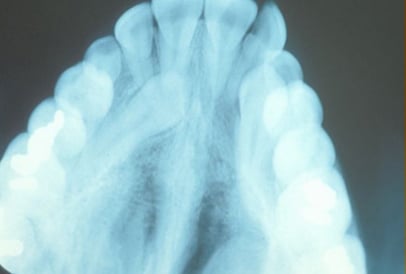
Most impacted upper canines develop on the roof of the mouth, although they may also become trapped within the jawbone or toward the front of the dental arch.
Early Diagnosis Leads to Better Outcomes
Early identification gives patients the greatest opportunity to preserve their natural canine tooth. Orthodontic evaluations and panoramic X-rays around age seven allow dentists to monitor tooth development before eruption problems become more complex.
Depending on the situation, treatment may include removing retained baby teeth, creating additional space with braces, or removing teeth that block eruption.
Ready To Take The Next Step In Your Dental Health?
Contact one of our offices today!
Chicago (South Loop) Chicago - South Loop Office Phone Number 312-692-0200
Orland Park Orland Park Office Phone Number 708-349-4000
Chicago (Midway) Chicago - Midway Office Phone Number 773-229-1100
How Are Impacted Canines Treated?
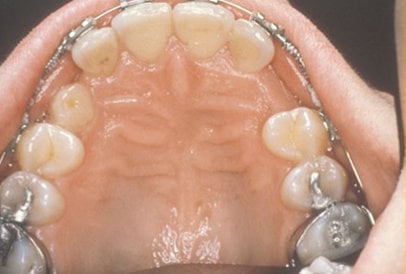
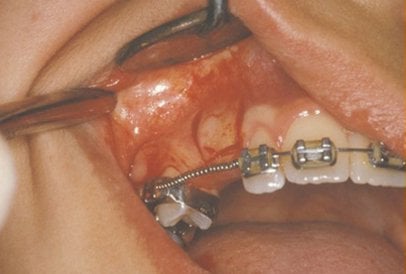
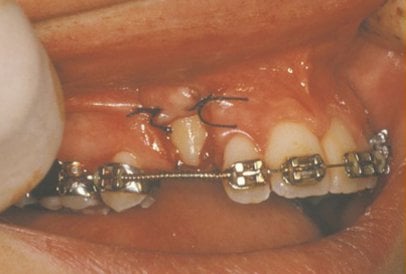
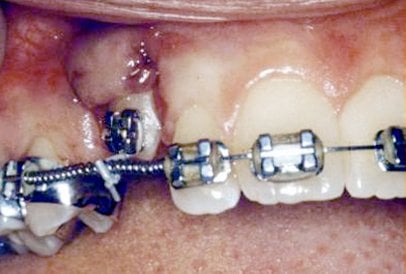
Treatment typically involves both your orthodontist and oral surgeon. After your orthodontist creates adequate space within the dental arch, our surgeons perform a minor procedure to expose the impacted tooth.
During surgery we:
- Expose the impacted canine
- Remove any retained baby tooth if necessary
- Bond a small orthodontic bracket to the tooth
- Attach a delicate gold chain for orthodontic guidance
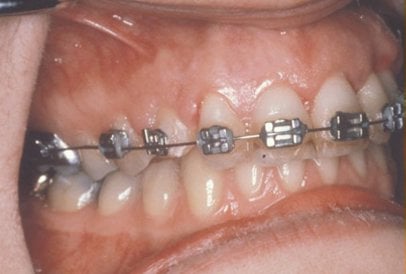
Your orthodontist will gradually guide the tooth into its proper position using gentle pressure over several months.
Recovery After Surgery
Most patients experience only mild discomfort after surgery. Minor swelling and bleeding are normal and typically improve within the first few days. Ice packs, soft foods, and over-the-counter pain medication are often all that’s needed during recovery.
Your orthodontist will typically begin moving the tooth within one to two weeks after surgery.
Exposure and Bracketing of an Impacted Cuspid
What If the Tooth Cannot Be Saved?
Although preserving the natural canine is always our goal, some impacted teeth cannot be successfully moved into position. In these situations, your oral surgeon will discuss alternative treatment options, including dental implants or fixed bridges, to restore your smile and bite.
Schedule an Impacted Canine Consultation in Chicago
If you or your child has been diagnosed with an impacted canine, early treatment can significantly improve the chances of preserving the natural tooth. The experienced team at Oral & Maxillofacial Surgery of Chicago works closely with your dentist and orthodontist to provide comprehensive, coordinated care. Contact our office today to schedule a consultation and learn about your treatment options.